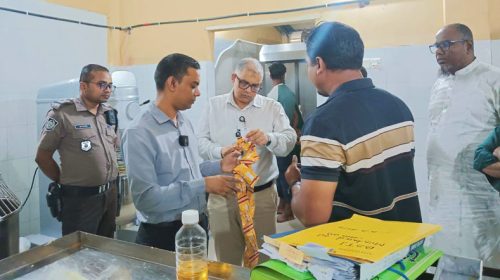





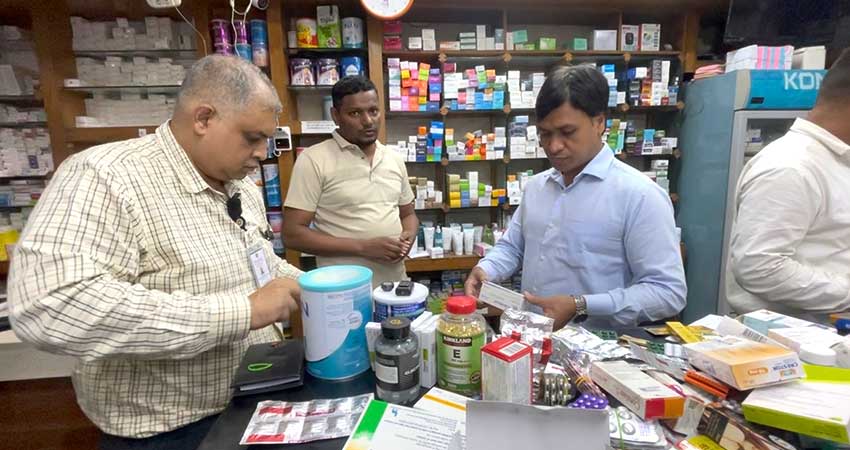
The Directorate of National Consumer Rights Protection (DNCRP) has imposed a fine of Tk 1,00,000 on Tamanna Pharmacy in Gulshan, Dhaka, for selling illegal sexual stimulants, unauthorized cosmetics, and powdered infant milk brought into the country illegally.
During the raid, DNCRP also seized a large quantity of the banned medicines, cosmetics, and powdered milk. The pharmacy owner was instructed to appear at the DNCRP headquarters and provide a written assurance to refrain from such consumer-unfriendly practices in the future.
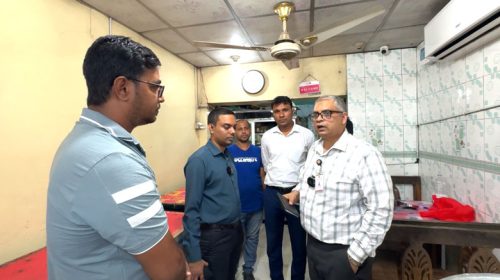
The operation took place on Monday afternoon in Gulshan-1 and was led by Bikas Chandra Das, Deputy Director of DNCRP’s Dhaka Division, and Muhammad Hasanuzzaman, Assistant Director of the Dhaka District Office.
The inspection revealed that Tamanna Pharmacy was illegally selling unapproved sexual stimulants imported from South Africa and other countries without any authorized importer in Bangladesh. The drugs were secretly stored in drawers for sale. Officials found approximately 20–22 types of sexual stimulants, along with foreign cosmetics and powdered infant milk smuggled via luggage.
Under the Consumer Rights Protection Act, 2009, Tamanna Pharmacy was fined Tk 1,00,000, and all seized items were confiscated.
Assistant Director Hasanuzzaman said, “As part of regular market monitoring, inspections were conducted at Barisal Pharmacy, Gulshan Pharma, and Tamanna Pharmacy in Gulshan-1. All three pharmacies were storing unauthorized medicines smuggled from abroad. The pharmacy authorities could not provide any certificate proving the safety of these products.”
He added, “Tamanna Pharmacy was found storing large quantities of illegal sexual stimulants imported illegally from countries including South Africa and India. Other violations included selling powdered infant milk and cosmetics without proper import authorization.”
The DNCRP official also stated, “In addition to Tamanna Pharmacy, Barisal Pharmacy and Gulshan Pharma were fined Tk 20,000 each. Repeat violations may lead to license cancellation and permanent closure of the establishments following legal procedures.”