





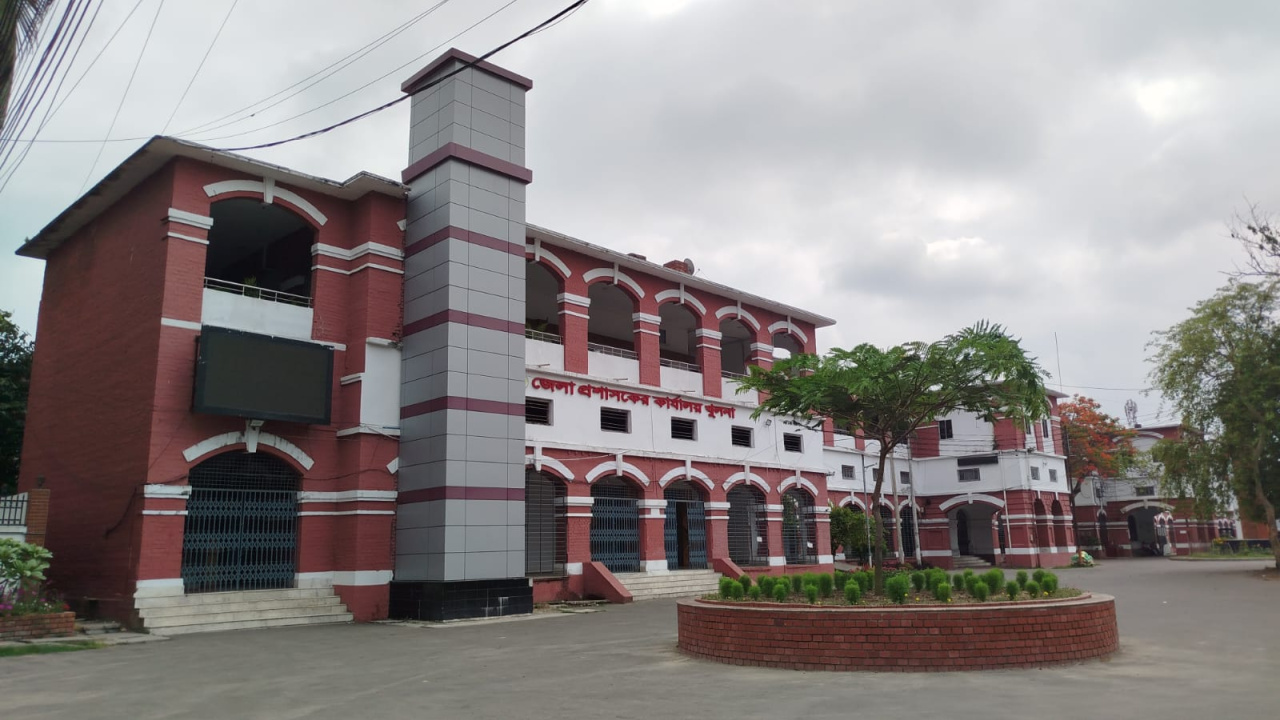
Cradled by the gentle embrace of the Bhairab and Rupsha rivers, Khulna—once celebrated as Bangladesh’s third-largest city and a thriving industrial hub—has quietly drifted away from much of its former glory. The proud title of “industrial city” has long faded, much like the network of over fifty canals that once crisscrossed its landscape. Today, most of those canals lie dead or dying, choked by neglect and unplanned urbanisation. The dense green that once defined the city has thinned, and civic amenities remain inadequate.
And yet, in this age of what many call “self-destructive development,” Khulna retains something rare, an enduring liveability. Here, one can still breathe deeply. Fish remain abundant in its waters. And above all, the city holds on to an intangible warmth—a sense of affection—that refuses to disappear.
Today, April 25, marks the 144th founding anniversary of this historic city in Bangladesh’s southwest. On this day in 1882, a notification was issued creating Khulna district, comprising Khulna and Bagerhat from Jashore district, along with the Satkhira subdivision from the then 24 Parganas.