






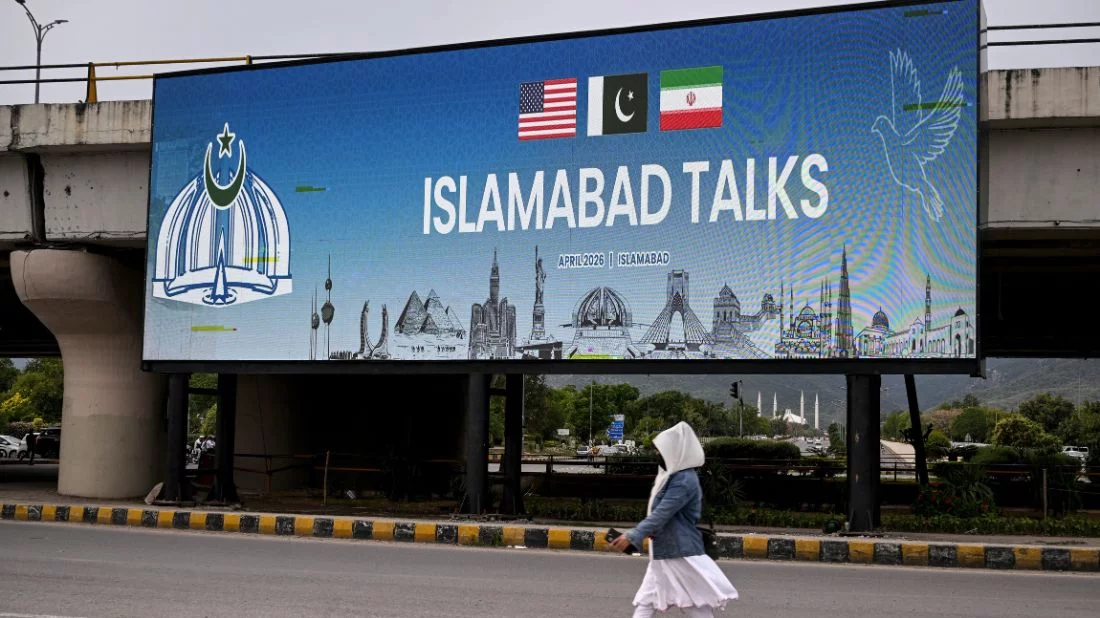
Discussions over a new round of face-to-face talks between the United States and Iran are ongoing, the White House said on Tuesday, even as Washington has fully enforced a blockade on Iranian ports and regional mediation efforts have intensified, with no date yet set for the next round of negotiations.
On Wednesday, White House spokesperson Karoline Leavitt told a press briefing that the US willingness to hold talks with Iran is contingent on the reopening of the Strait “with no limitations or delays,” adding that the next round of talks is likely to take place again in Islamabad, Pakistan. She also denied reports that Washington had formally requested an extension of the current ceasefire, saying both sides remain engaged in dialogue.
US officials were cited by media reports as saying that US and Iranian negotiators made progress in talks on Tuesday, moving closer to a framework agreement to end the war. One official said both sides have maintained backchannel communications with all the countries and are “getting closer,” while another noted that although the US side is eager for a deal, consensus within the Iranian government remains a key hurdle.Meanwhile, Pakistan has stepped up its shuttle diplomacy to bridge differences between the two sides. Pakistani Prime Minister Shehbaz Sharif arrived in Saudi Arabia on Tuesday, beginning a four-day tour that will also take him to Qatar and Turkiye. On the same day, Pakistan’s Chief of Army Staff Asim Munir led a delegation to Tehran, where Iranian Foreign Minister Abbas Araghchi received him.
According to Iran’s semi-official Tasnim news agency, Tehran will assess the outcome of its discussions with the Pakistani delegation before deciding whether to engage in another round of talks with the United States. A source cited by the report said that the ceasefire in Lebanon will be a “positive signal” for Iran’s decision for the next round of negotiations, while stressing that Washington must drop “excessive demands” and avoid “violating the promises it made before the ceasefire.”
Uncertainty also persists over whether the ceasefire between the United States and Iran will be extended. Iranian Foreign Ministry spokesman Esmaeil Baghaei said on Tuesday that such speculation could not yet be confirmed, citing what he described as inconsistent US positions and questioning Washington’s commitment to honoring any potential agreement.
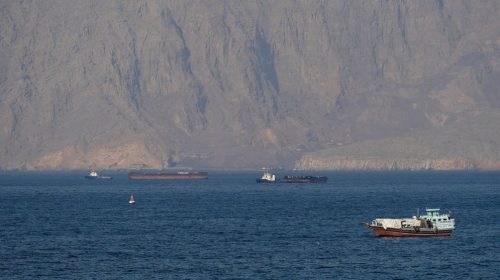
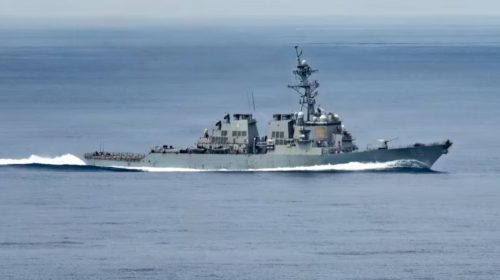
At the same time, the US military said on Tuesday that US forces have completely halted economic trade going into and out of Iran by sea in less than 36 hours since the blockade was implemented.
However, a report by British maritime analytics firm Windward indicated that some ships have managed to bypass the restrictions. It said that “Iranian crude and refined product exports remained active, supported by dark loading activity at Kharg Island, Bandar Abbas, and sanctioned tanker movements.”
Diplomatic efforts have also drawn broader international attention. Russia and Saudi Arabia on Tuesday underscored the need to continue political and diplomatic engagement between Washington and Tehran under Pakistan’s mediation. In a phone call on Wednesday, Russian Foreign Minister Sergei Lavrov and his Saudi counterpart Faisal bin Farhan Al Saud expressed support for an inclusive dialogue involving all stakeholders aimed at guaranteeing long-term stability and security in the region.
Kremlin spokesman Dmitry Peskov was quoted as saying on Wednesday that the United States had rejected its proposal that Russia take all of Iran’s enriched uranium out of the country as a way to help resolve the Middle East conflict, but Russian President Vladimir Putin is ready to return to it.
“This would be a good decision. But unfortunately, the American side rejected this proposal,” he said.
Despite signs of diplomatic movement, key differences remain and the path toward a comprehensive agreement remains uncertain.