


While Bangladesh was slated to graduate from Least Developed Country (LDC) status this November, a recent UN assessment and shifting domestic realities suggest the nation’s preparations remain fragile.
Despite consistent progress in poverty reduction and human development, mounting economic and structural hurdles have prompted the government to seek a delay in the transition.A “Graduation Readiness Assessment” by the UN Office of the High Representative for the Least Developed Countries (UN-OHRLLS) warns that while Bangladesh meets the three criteria for graduation—per capita income, human assets, and economic vulnerability—its overall readiness is weak.
The report highlights critical gaps in revenue collection, financial sector stability, climate resilience, and institutional coordination.
The loss of LDC status implies a phased withdrawal of preferential trade benefits and development assistance.
This poses a significant threat to the readymade garment (RMG) sector, which relies heavily on Duty-Free Quota-Free (DFQF) access.
Experts emphasize that graduation must be treated as a strategic economic pivot requiring structural reforms and long-term policy alignment rather than a mere badge of honor.
The UN Committee for Development Policy (CDP) originally set November 24, 2026, as the official graduation date.
However, citing global economic volatility and macroeconomic pressures, the interim government submitted a formal request on February 23 to extend the preparatory period until November 2029.
The government argues that the initial five-year window was consumed by crisis management, including long-term impact of the Covid-19 pandemic, spiking energy and food costs driven by the Russia-Ukraine war, domestic political shifts and the ongoing Rohingya humanitarian crisis, and foreign exchange instability amid slow investment.
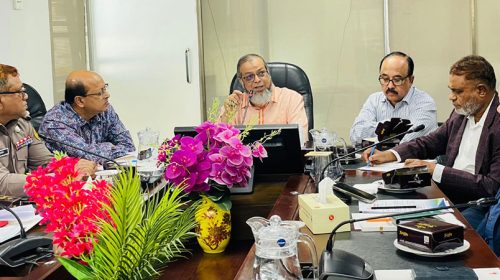
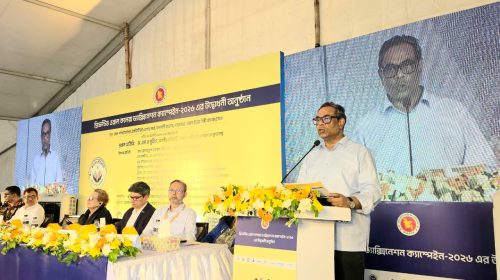
At a recent high-level consultation in Dhaka, economists MA Razzaque and Daniel Gay presented an independent assessment requested by the government.
The report analyzed the impact of withdrawing LDC-specific support and outlines a “Smooth Transition Strategy (STS).”
UN Under-Secretary-General Rababa Fatima assured that the UN would continue supporting Bangladesh to ensure an inclusive transition.
Commerce Minister Khandker Abdul Muktadir reiterated that the government prefers a “planned and phased” exit to avoid sudden shocks to the industrial sector.
The transition presents a paradox: the pride of achieving “developing nation” status versus the harsh reality of increased global competition.
With the loss of EU GSP facilities and WTO special treatments looms, RMG leaders, including BGMEA president Mahmudul Hasan Khan, have welcomed the bid for more time to diversify exports and negotiate new trade pacts.
The final decision now rests with the UN CDP and the General Assembly. For Bangladesh, the current stance is clear: sustainable preparation takes precedence over an accelerated timeline.
https://www.dhakatribune.com/407265