


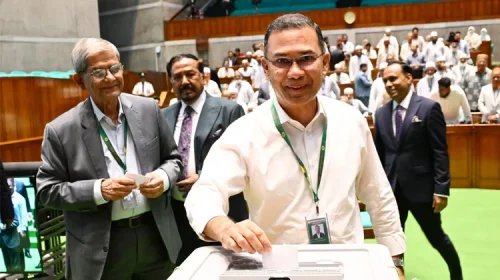
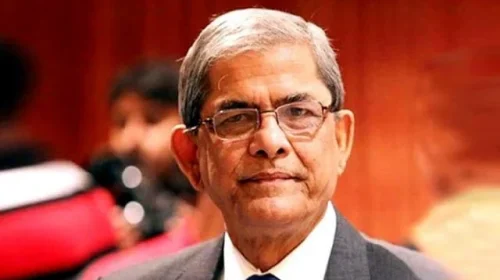
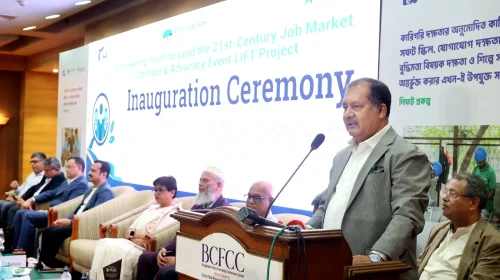
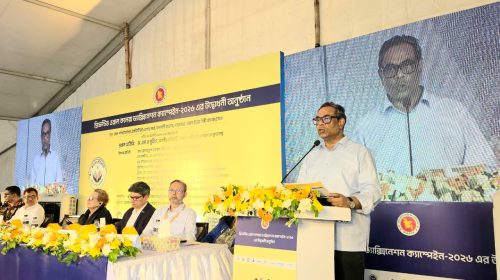

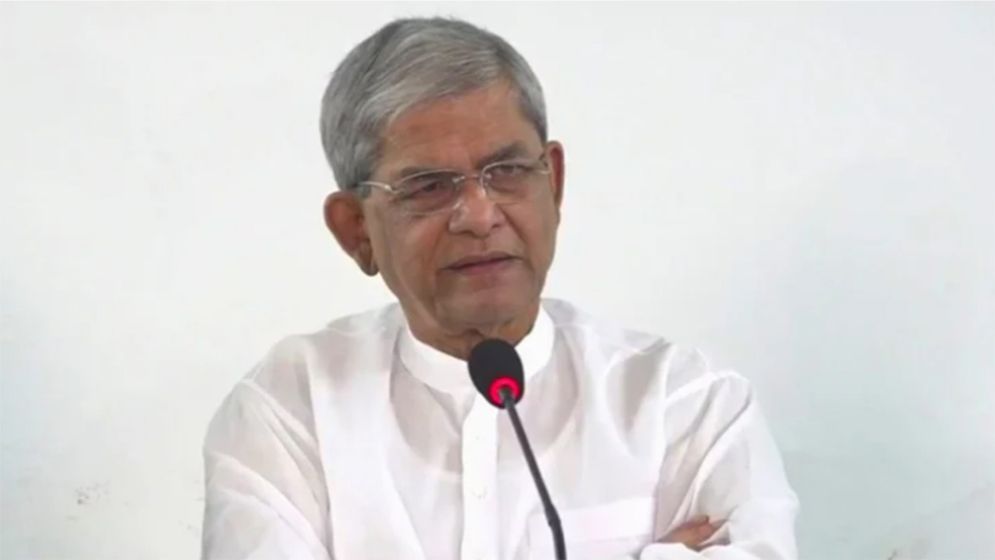
Mirza Fakhrul Islam Alamgir is a distinctive figure in contemporary Bangladeshi politics, known for his measured language, steady voice and uncompromising stance. Over more than five decades of movements, parliamentary politics, imprisonment and party reorganisation, he has established himself as one of the principal spokespersons of opposition politics. His recent landslide victory in the 13th National Parliamentary Election and subsequent inclusion in the Cabinet mark a new chapter in his political career.
Childhood and Family Roots: Story of the Sowing of Political Seeds
Born on 26 January 1948 in a respected and educated family in the then Dinajpur district (now Thakurgaon), he is the son of Mirza Ruhul Amin, a lawyer, social worker and politician. From his family, he inherited a strong sense of discipline, justice and patriotism. Though raised in a rural setting, Fakhrul’s early life was marked by intellectual depth and awareness.
His leadership qualities began to emerge during his student years. He completed his Higher Secondary education at Dhaka College and later obtained both Bachelor’s and Master’s degrees in Economics from the University of Dhaka.
Student Politics and the Mass Uprising: A School of Struggle
While studying at Dhaka University, he became actively involved in student politics. As a member of the then East Pakistan Students’ Union (now Bangladesh Students’ Union), he served as General Secretary of the SM Hall unit and later as President of the university unit. During the turbulent Mass Uprising of 1969, he played a leadership role and gained first-hand experience of the harsh realities of politics. His speeches, characterised by reason, restraint and emotional appeal, later became a defining feature of his political identity.
Role in the Liberation War: Foundations of Ideology
When the Liberation War began in 1971, he took a firm stand in favour of independence and contributed both as an organiser and a freedom fighter. The spirit of the Liberation War, democracy and human rights have since formed the core of his political philosophy. The struggle for independence was not merely a chapter in his life but the foundation of his ideals.