
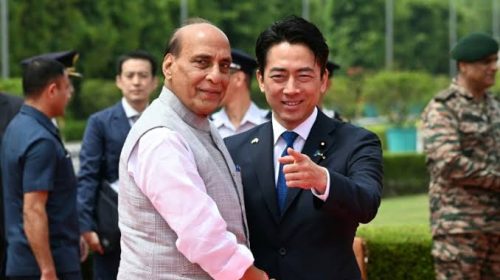




With only days left before the 13th national parliamentary election, questions have emerged over the interim government’s rush to sign major agreements with foreign countries, including a tariff deal with the United States and defence-related agreements with China and Japan.
Critics argue that such significant policy decisions could have been left to an elected government, as reactions have surfaced from business leaders, economists, and political parties.
Many expressed concern over the lack of transparency, particularly regarding a non-disclosure agreement (NDA) signed with the US last June during tariff negotiations.
Business representatives said they were surprised by the move, noting that the business community was not directly involved in the discussions. Economists warned that secrecy surrounding key terms could create uncertainty for future governments.
Political reactions have also intensified. BNP Standing Committee member Iqbal Hasan Mahmud Tuku said the interim government, despite not being elected by popular vote, has taken several policy decisions beyond its mandate.
“Stakeholders should have been consulted before such agreements were pursued,” he added.
Meanwhile, Bangladesh Jamaat-e-Islami described the US tariff deal as routine work but expressed reservations over defence-related agreements.
Jamaat Assistant Secretary General Hamidur Rahman Azad said there would be no objection to agreements that protect national interests, but warned against any unbalanced or one-sided deals favouring foreign countries.
Responding to the criticism, National Security Adviser Dr Khalilur Rahman said the agreements were part of an ongoing process.
Commerce Secretary Mahbubur Rahman said Bangladesh had sought approval to sign the US tariff deal within the timeframe given by Washington.
The government maintains that future discussions and revisions could still take place through established bilateral platforms.