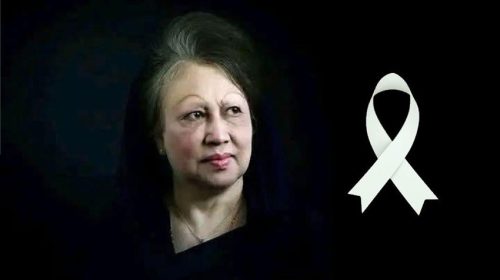









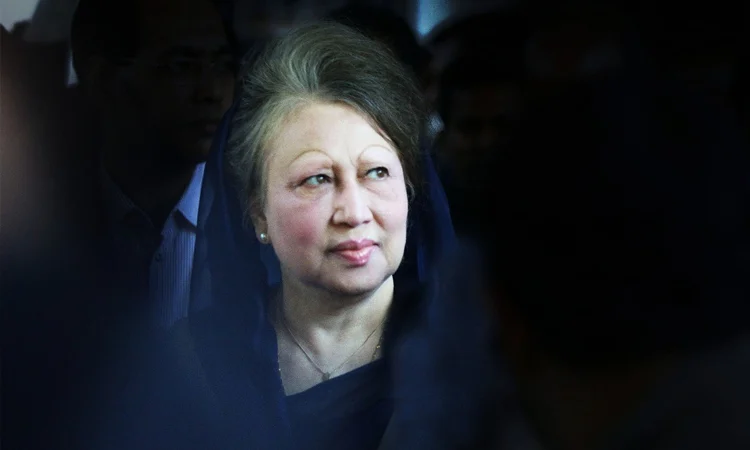
The evolution of multi-party democracy in this South Asian nation remained in its due course for decades as late Begum Khaleda Zia steered Bangladesh Nationalist Party (BNP) with her prudent but uncompromising leadership in a tricky political landscape.
Marking her 82nd birthday on August 15, the nation will honour the late, uncompromising leader, without whom the country’s parliamentary and multi-party democracy might never have flourished and strengthened.
The emergence of the Zia family in Bangladesh’s politics unfolded amid a series of dramatic events. The journey began with the political turmoil of 1975, under the charismatic leadership of Shaheed President Ziaur Rahman, who founded the BNP on September 1, 1978.
Against the backdrop of several dramatic and bloodstained incidents, Ziaur Rahman emerged in the helm of affairs of the country to build a nation founded on economic prosperity and social and cultural stability, based on Bangladeshi nationalism by embracing people from all walks of life, irrespective of cast and creed.