










In another blow to global oil markets, drones struck Saudi Arabia’s East-West oil pipeline last Thursday (10 September), prompting the kingdom to suspend operations.
The 1,200km (746-mile) pipeline, which carries roughly 4 to 5 million barrels of oil per day (bpd), links the country’s major oil-producing fields in the east with the Red Sea port of Yanbu, allowing Saudi Arabia to bypass the Strait of Hormuz, which has largely been closed since the outbreak of the US-Israel war on Iran in February.
Saudi Arabia’s Ministry of Energy said the shutdown was a “precautionary” measure after the attack caused damage and injuries in the Riyadh and Medina regions.
The closure comes as the US-Israel war on Iran has sharply reduced oil flows through the Strait of Hormuz and Houthi forces in Yemen have intensified attacks around the Red Sea and Bab al-Mandeb.
With oil flows through the Strait of Hormuz severely disrupted, Saudi Arabia has relied more heavily on the East-West pipeline. What does its closure mean for an already tight global oil market?
How bad is the damage?
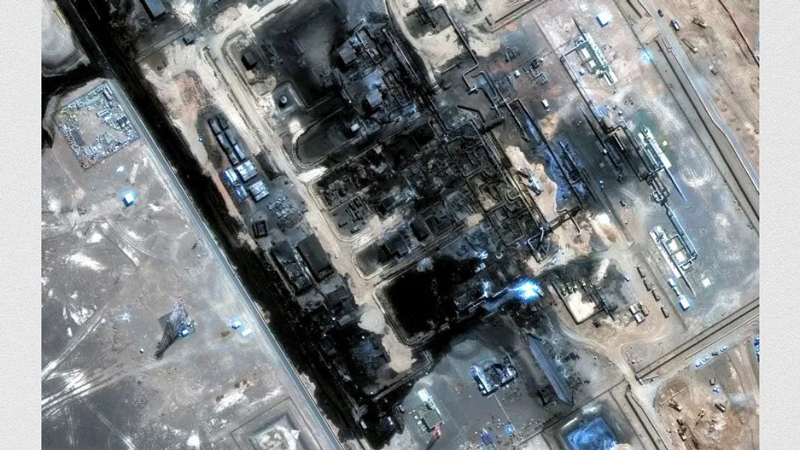
The extent of the damage is not yet clear, and estimates of how quickly the pipeline can return to normal operations vary. Sources familiar with the incident told the Reuters news agency that repairs could take five to six weeks, while another source said operations could restart sooner.
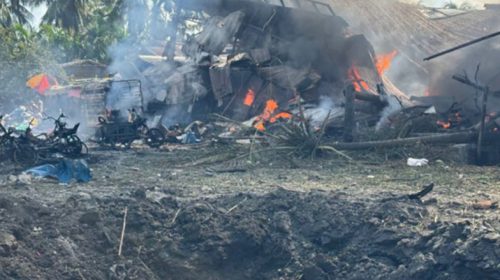
Saudi officials said drones hit the pipeline in two areas around Riyadh and Medina. The Ministry of Foreign Affairs said the attack caused injuries and damage to infrastructure.
According to Saudi authorities, the launch of the drones was traced to Maysan province in southeastern Iraq, close to the Iranian border and an area where Iran-aligned armed groups have established a longstanding presence.
The attack follows a strike in March near the Saudi-Aramco-ExxonMobil refinery in Yanbu that temporarily disrupted crude loadings from the Red Sea port. That incident had little lasting impact on operations, with shipments recovering within days, but it demonstrated that the kingdom’s western oil infrastructure was not immune to attacks.